🔄 Updated for 2026: This article has been refreshed to reflect the latest standards and best practices.
Quick Answer: Prevent shed condensation by installing cross-flow vents on opposite walls, adding closed-cell foam or fiberglass insulation, applying vapor barriers to floors and walls, sealing gaps with waterproof caulking, using a dehumidifier, and maintaining indoor humidity between 30–50% with a hygrometer.
🔑 Key Takeaways
- Install vents on opposite sides of your shed to create cross-ventilation and expel warm, moist air naturally
- Use closed-cell foam, fiberglass, or reflective insulation on all walls, the roof, and floor to eliminate thermal bridges
- Apply vapor barriers under flooring and on walls to block ground moisture from penetrating your shed
- Keep humidity between 30–50% RH using a hygrometer and dehumidifier — desiccant models work best in unheated sheds below 15°C
- Seal all gaps and cracks with waterproof caulking to stop moisture entry around doors, windows, and joints
- Smart hygrometers and solar-powered ventilation systems with humidity-responsive operation are now available under $50
📑 Table of Contents
How to Prevent Shed Condensation
This article will suggest 7 free tips on how to prevent shed condensation.
Increase Ventilation.
Use Insulation.
Employ a Dehumidifier.
Install a Concrete Vapor Barrier.
Caulking and Sealing.
Proper Storage and Organization.
Install a Window Fan or Air Conditioner
1. Introduction
Shed condensation is a common problem faced by homeowners. It occurs when warm, moist air meets cooler surfaces, leading to water buildup. Over time, condensation can cause mold, mildew, and structural damage. Preventing this issue is essential for maintaining both the shed and the items stored inside.
2. Understanding Humidity Control Methods
Identifying Sources of Humidity
- Natural Sources (Weather, Soil): Moisture can enter your shed from the ground or air during wet weather conditions.
- Internal Sources (Stored Items, Activities): Storing damp tools or gardening supplies inside your shed can introduce moisture.
Effective Humidity Management
- Dehumidifiers: These devices draw in humid air, remove moisture, and release dry air.
- Hygrometers: Monitor the humidity levels to take timely action and prevent condensation.
Regular Monitoring
- Routine Checks: Inspect your shed regularly for signs of moisture or mold.
- Tools for Monitoring: Use moisture meters along with hygrometers for accurate readings.
3. Optimal Ventilated Shed Designs
Design Principles for Ventilation
- Cross-Ventilation: Install vents or windows on opposite sides for better air circulation.
- Placement of Vents and Windows: Use high vents to release warm air and low vents to draw in fresh air.
Types of Ventilation Systems
- Passive Ventilation: Uses natural airflow through strategically placed openings.
- Mechanical Ventilation: Employs fans to actively circulate air, suitable for high-humidity areas.
4. Shed Insulation Tips
Choosing the Right Insulation Materials
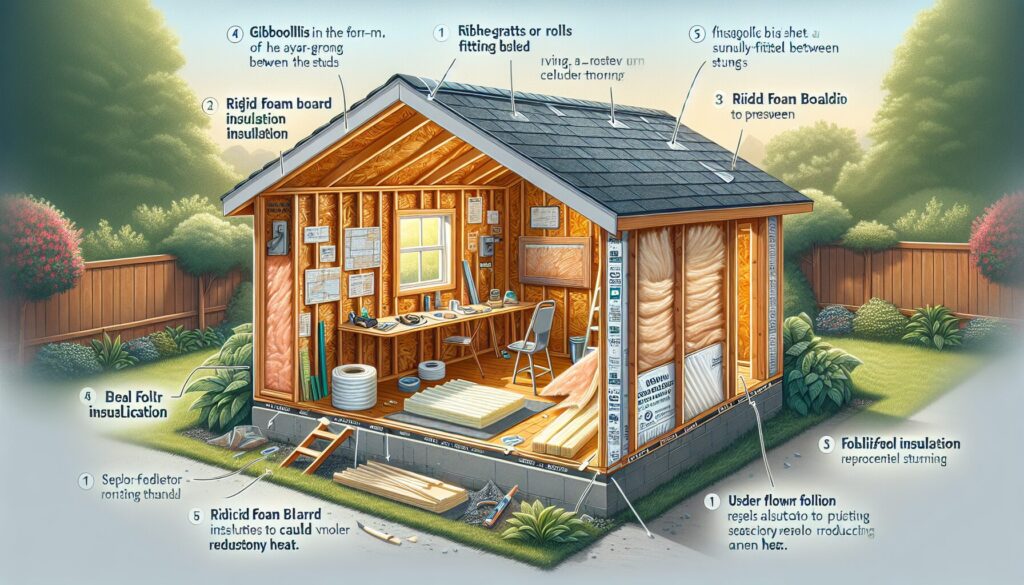
- Moisture-Resistant Materials: Closed-cell foam, fiberglass, and reflective insulation work best to prevent moisture buildup.
- Types of Insulation: Foam provides great sealing, fiberglass is affordable, and reflective insulation helps control heat.
Installation Best Practices On How To Prevent Shed Condensation
- Complete Coverage: Ensure all walls, roof, and floor are properly insulated.
- Avoid Thermal Bridges: Prevent gaps where heat can escape and moisture can enter.
5. Condensation Prevention Strategies
Anti-Condensation Barriers
- Vapor Barriers: Prevent moisture from penetrating walls and ceilings.
- Breathable Membranes: Allow moisture to escape while blocking rain and snow.
Surface Treatments
- Anti-Condensation Coatings: Create a moisture-resistant layer on surfaces.
- Moisture-Resistant Paints: Protect interior surfaces from high humidity and mold growth.
6. Choosing Moisture-Resistant Materials
Material Selection Criteria
- Durability: Use materials that can withstand harsh weather and last longer.
- Moisture and Mold Resistance: Opt for treated wood and composite materials for better performance.
Application Tips
- Sealing and Finishing: Use waterproof sealants to close gaps and protect surfaces.
- Combining Materials: Mix treated wood with composite materials for optimal results.
7. Conclusion
Preventing shed condensation involves controlling humidity, ensuring proper ventilation, using insulation, and selecting moisture-resistant materials. Regular maintenance and inspections are crucial for long-term protection. Implement these strategies to keep your shed dry and in top condition for years to come.
Searches related to how to prevent shed condensation
How to prevent shed condensation in winter
How to prevent shed condensation reddit
Shed dehumidifier
How to stop condensation in metal shed
Best dehumidifier for outdoor shed
Solar shed dehumidifier
Condensation in shed
Metal shed condensation
2026 Update: What’s New
The introduction of phase-change material (PCM) panels in 2025 has revolutionized moisture control. These panels absorb excess humidity during warm periods and release it when conditions normalize, reducing condensation by up to 60% according to recent studies. Major retailers now stock PCM retrofit kits specifically designed for sheds.
Graphene-enhanced insulation boards launched in late 2025 offer superior thermal performance in thinner profiles, addressing the common issue of reduced interior space. These boards include integrated moisture barriers and are 40% more effective than traditional options.
Solar-powered ventilation has become the standard recommendation, with 2026 models featuring automatic humidity-responsive operation and smartphone connectivity for remote monitoring.
Key Actionable Takeaways:
- Install smart hygrometers – Monitor humidity levels remotely and receive alerts before condensation forms (optimal range: 30-50% RH)
- Consider PCM panels – Retrofit existing sheds with phase-change materials for passive moisture regulation
- Upgrade to graphene insulation – Replace old insulation during renovations for better thermal bridging prevention
- Implement solar ventilation – Zero running costs with automatic humidity-responsive operation
Last updated: February 06, 2026
Frequently Asked Questions
What causes condensation in sheds?
Condensation forms when warm, moist air contacts cooler shed surfaces. Moisture enters from ground soil, wet weather, or stored damp items. Temperature differences between inside and outside air cause water vapor to condense on walls, ceilings, and metal surfaces, resulting in drips and moisture buildup.
How do I stop condensation in a metal shed?
Metal sheds require insulation to warm cold surfaces, vapor barriers to block moisture, and active ventilation. Install high and low vents for airflow, apply anti-condensation coatings on metal surfaces, use a dehumidifier, and seal all gaps around doors and windows to keep humidity under control.
What is the best insulation to prevent shed condensation?
Closed-cell foam insulation offers the best moisture resistance and air sealing. Fiberglass is a budget-friendly alternative when paired with a vapor barrier. Reflective insulation helps manage heat transfer. Newer graphene-enhanced boards deliver superior thermal performance in thinner profiles with integrated moisture barriers.
Do dehumidifiers work in unheated sheds?
Standard dehumidifiers perform poorly below 15°C because their coils can freeze. For unheated sheds, choose a desiccant dehumidifier that operates in cold temperatures, or rely on passive solutions such as cross-ventilation, vapor barriers, and moisture-absorbing materials alongside solar-powered humidity-responsive ventilation.
Related guides
Part of our How to Build a Shed: Step-by-Step Guides hub.