🔄 Updated for 2026: This article has been refreshed to reflect the latest standards and best practices.
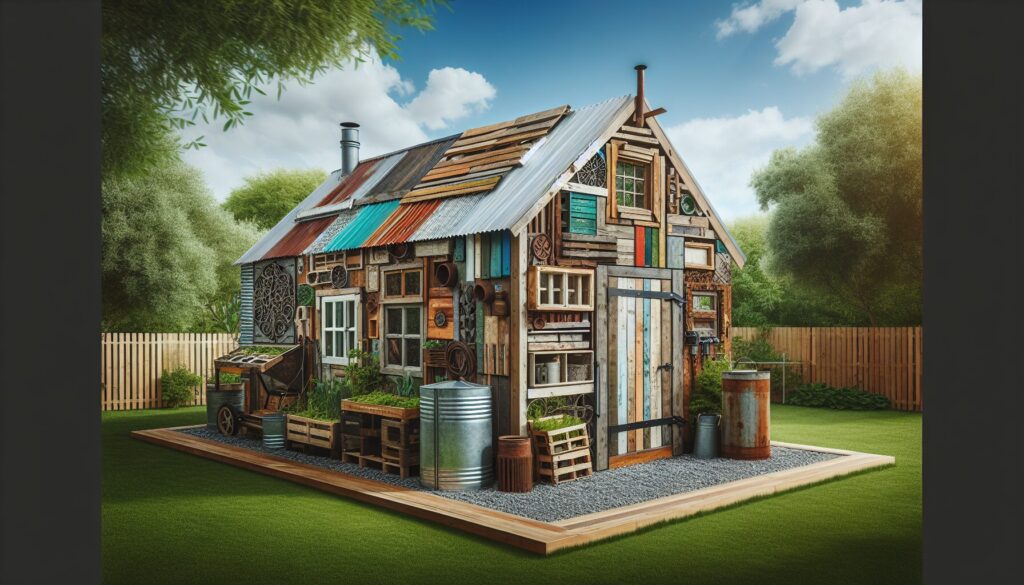
Quick Answer: Upcycling materials for shed construction involves repurposing reclaimed wood from pallets and old barns, recycled metal from salvage yards, and salvaged windows and doors. This approach reduces waste, cuts costs significantly compared to new materials, and creates unique garden sheds while qualifying for tax credits in many areas.
🔑 Key Takeaways
Source reclaimed wood, recycled metal, and salvaged windows from local recycling centers, salvage yards, and online marketplaces
Many states offer tax credits up to $500 for sheds built with at least 60% reclaimed materials
Use smartphone apps to assess structural integrity of salvaged wood before purchasing
Treat and seal reclaimed wood properly to ensure longevity and weather resistance
Municipal construction material reuse hubs offer pre-sorted materials at minimal cost
Green roofs, solar panels, and rainwater collection enhance sustainability
Upcycling Materials for Shed Construction: Eco-Friendly, Budget-Friendly Ideas for Your Garden Shed
Learn More
Upcycling materials for shed construction
Read More
Introduction
Read More
Read More
“`html
2026 Update: What’s New
The upcycling landscape for shed construction has evolved significantly in 2025-2026. Municipal recycling programs now actively partner with DIY builders, offering dedicated “construction material reuse hubs” where homeowners can source pre-sorted lumber, windows, and roofing materials at minimal cost. Several states have introduced tax credits up to $500 for sheds built with at least 60% reclaimed materials, making eco-friendly construction more financially attractive than ever.
Technology has transformed material assessment. Smartphone apps like “ShedScan” and “RecycleBuilder Pro” now use AI-powered imaging to instantly evaluate structural integrity of salvaged wood, identifying rot, pest damage, and load-bearing capacity within seconds. Digital marketplaces specifically for construction salvage have exploded, with platforms like ReUseYard connecting sellers and buyers within 25-mile radiuses, dramatically reducing transportation emissions.
New building codes in progressive municipalities now recognize upcycled materials as code-compliant when properly documented and tested, eliminating previous gray areas that discouraged reclaimed construction.
Key Takeaways for 2026:
Check your local municipality for construction reuse hubs and available tax incentives for upcycled building projects
Download material assessment apps before sourcing salvaged lumber to ensure structural safety and code compliance
Join regional salvage marketplaces to find quality materials locally and reduce transportation costs
Document your upcycled materials with photos and app reports for permit approval processes
Last updated: February 06, 2026
“`
Frequently Asked Questions
Where can I find reclaimed materials for shed construction?
Local recycling centers, salvage yards, and online marketplaces like Craigslist and Facebook Marketplace are excellent sources. Municipal construction material reuse hubs now offer pre-sorted lumber, windows, and roofing materials at minimal cost in many areas.
What are the cost savings of building a shed with upcycled materials?
Reclaimed materials often cost significantly less than new ones, and many states now offer tax credits up to $500 for sheds built with at least 60% reclaimed materials, making upcycled construction highly budget-friendly.
How do I ensure reclaimed wood is structurally sound?
Choose wood free from rot and pests, clean and treat it properly, and use smartphone apps with AI-powered imaging to assess structural integrity before purchasing. Properly seal and treat all reclaimed wood to withstand weather.
What sustainable features can I add to an upcycled shed?
Consider adding green roofs for insulation and rainwater management, solar panels to power lights and devices, rainwater collection systems, and incorporate natural lighting and ventilation to reduce energy use while maximizing sustainability.