🔄 Updated for 2026: This article has been refreshed to reflect the latest standards and best practices.
Quick Answer: The three best shed foundation options are wooden foundations (pressure-treated lumber, cost-effective, easy installation), concrete slabs (most durable for larger sheds and windy areas), and gravel bases (excellent drainage, quickest to install). Choose based on your soil type, climate, budget, and shed size.
🔑 Key Takeaways
- Wooden foundations use pressure-treated lumber, are budget-friendly, but need more maintenance
- Concrete slabs provide maximum durability for larger sheds and windy regions
- Gravel bases offer superior drainage and are the quickest to install
- Sandy soil favors concrete; rainy climates benefit from gravel drainage
- 2026 updates include recycled composite blocks and smart helical pier systems
- Always check local frost depth requirements and building codes first
📑 Table of Contents
Shed Foundation Options: A Comprehensive Guide
Introduction: When it comes to building a shed, the foundation is one of the most important aspects to consider. A solid shed foundation ensures your shed remains sturdy and durable for years to come. This guide will walk you through various shed foundation options, helping you choose the best one for your specific needs.
Choosing the Right Shed Foundation
Selecting the right shed foundation involves assessing your needs and environment. Different foundation types come with their own pros and cons. It’s essential to weigh these factors before making a decision.
Pros and Cons of Different Shed Foundation Types
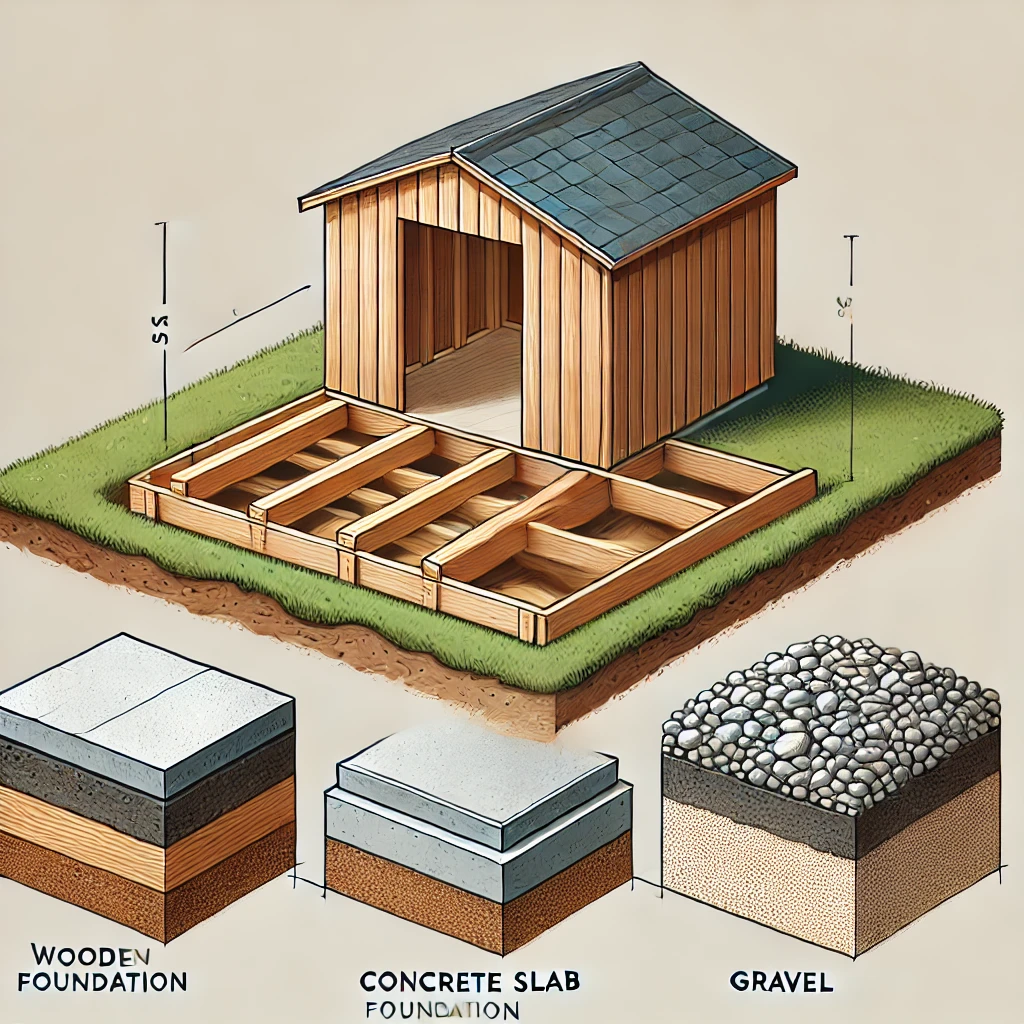
- Wooden Shed Foundation: Easier to install but may require more maintenance.
- Concrete Slab Foundation: Extremely durable but can be costly and labor-intensive.
- Gravel Shed Base: Offers good drainage but might not be as stable as other options.
Factors to Consider When Choosing a Shed Foundation
- Soil Type: Sandy soil may require more stable options like concrete.
- Climate: Areas with heavy rainfall might benefit from a gravel base for better drainage.
- Budget: Some foundations are more affordable but may need more maintenance over time.
Wooden Shed Foundation
Benefits of Wooden Foundations
Wooden shed foundations are popular due to their ease of installation and cost-effectiveness. They are also less labor-intensive compared to concrete slab foundations.
Installation Tips for Wooden Shed Foundations
- Choose the Right Wood: Pressure-treated lumber is recommended to prevent decay.
- Level the Ground: Ensure the ground is level before placing your wooden beams.
- Secure the Base: Use metal brackets and screws to secure the wooden base.
Concrete Slab Foundation Option
Why Choose a Concrete Slab Foundation?
Concrete slab foundations are incredibly durable and provide a stable base for your shed. They are particularly suitable for larger sheds and regions with heavy winds.
Step-by-Step Guide to Installing a Concrete Slab
- Excavate the Area: Dig out the area where the slab will be placed.
- Build a Form: Construct a wooden frame to hold the concrete.
- Pour the Concrete: Pour the concrete into the frame and level it out.
- Cure the Concrete: Allow the concrete to cure for at least a week before placing your shed.
Gravel Shed Base
Advantages of a Gravel Shed Base
A gravel shed base offers excellent drainage, reducing the risk of water damage. It is also relatively easy and quick to install.
How to Properly Install a Gravel Base
- Prepare the Site: Remove any grass or debris from the area.
- Add a Base Layer: Lay down a layer of landscape fabric to prevent weed growth.
- Spread the Gravel: Pour the gravel evenly and level it out.
Shed Leveling Techniques
Proper shed leveling ensures the structural integrity of your shed. An uneven shed can lead to problems like door misalignment and water leakage.
Foundation Drainage Solutions
Proper drainage prevents water from pooling around your shed foundation, which can cause structural damage and mold growth.
Conclusion
A sturdy shed foundation is crucial for the longevity and stability of your shed. Whether you opt for a wooden shed foundation, a concrete slab foundation, or a gravel shed base, each option comes with its own set of benefits and installation requirements. Consider your specific needs, environment, and budget before making a decision for the best results.
Get More Foundation Tips Below
Searches related to shed foundation options
“`html
2026 Update: What’s New
The shed foundation landscape has evolved significantly in 2025-2026, with sustainability and smart technology taking center stage. The International Building Code (IBC) 2024 amendments, now widely adopted, have introduced stricter frost depth requirements for permanent structures, affecting shed foundations in colder climates. Meanwhile, recycled composite foundation blocks have surged in popularity, offering 40% better moisture resistance than traditional concrete blocks while reducing environmental impact.
Helical pier systems with integrated leveling technology have become more accessible for DIY installations, featuring smartphone-connected sensors that monitor settlement in real-time. These systems now cost 30% less than in 2023, making them viable for mid-range shed projects. Additionally, geogrid-reinforced gravel pads have gained traction as a code-compliant alternative to solid foundations for sheds under 200 square feet in many jurisdictions.
- Check updated local frost depth requirements before selecting your foundation type
- Consider recycled composite blocks for superior moisture protection and eco-friendliness
- Explore smart helical pier systems if ground settlement is a concern in your area
- For smaller sheds, investigate whether geogrid-reinforced gravel meets your local building codes
Last updated: February 06, 2026
“`
Frequently Asked Questions
What is the best foundation for a shed?
The best foundation depends on your situation. Concrete slabs offer maximum durability for larger sheds, wooden foundations provide cost-effective ease of installation, and gravel bases excel in drainage for wet climates. Consider your soil type, budget, and shed size when choosing.
Do I need a concrete slab for my shed?
Concrete slabs are not always necessary. They are best for larger sheds, areas with heavy winds, or when maximum durability is required. Smaller sheds often perform well on wooden or gravel foundations, which are less expensive and easier to install.
How thick should gravel be for a shed foundation?
A gravel shed base should typically be four to six inches thick for adequate drainage and stability. Spread the gravel evenly over landscape fabric and compact it thoroughly. Level the surface carefully to ensure your shed sits flat and stable.
How do I prepare the ground for a shed foundation?
Remove all grass, debris, and organic material from the site. Level the ground thoroughly using a rake and tamper. For gravel bases, lay landscape fabric to prevent weed growth. For concrete slabs, excavate to the proper depth and build a wooden form.
Related guides
Part of our How to Build a Shed: Step-by-Step Guides hub.